
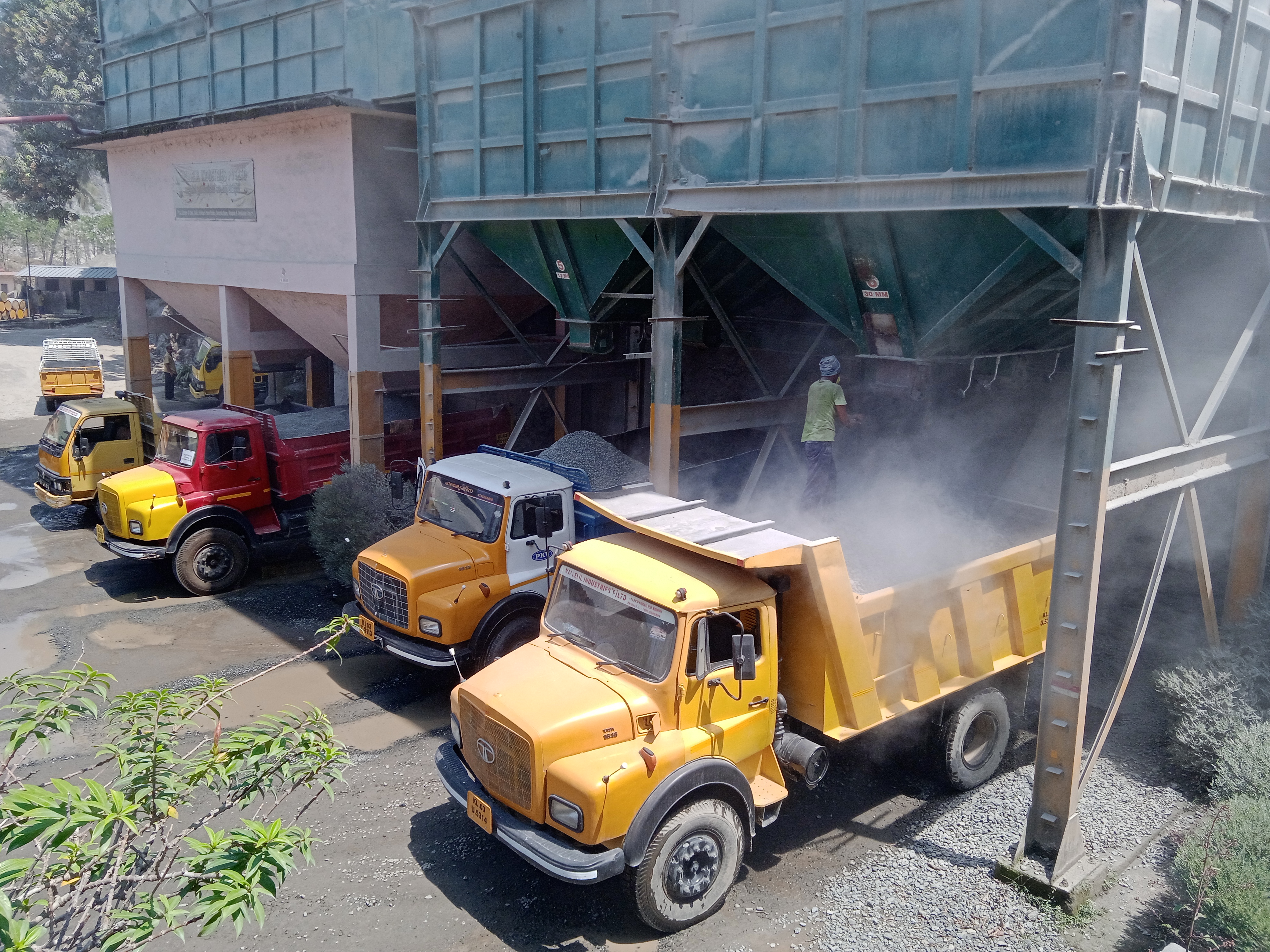
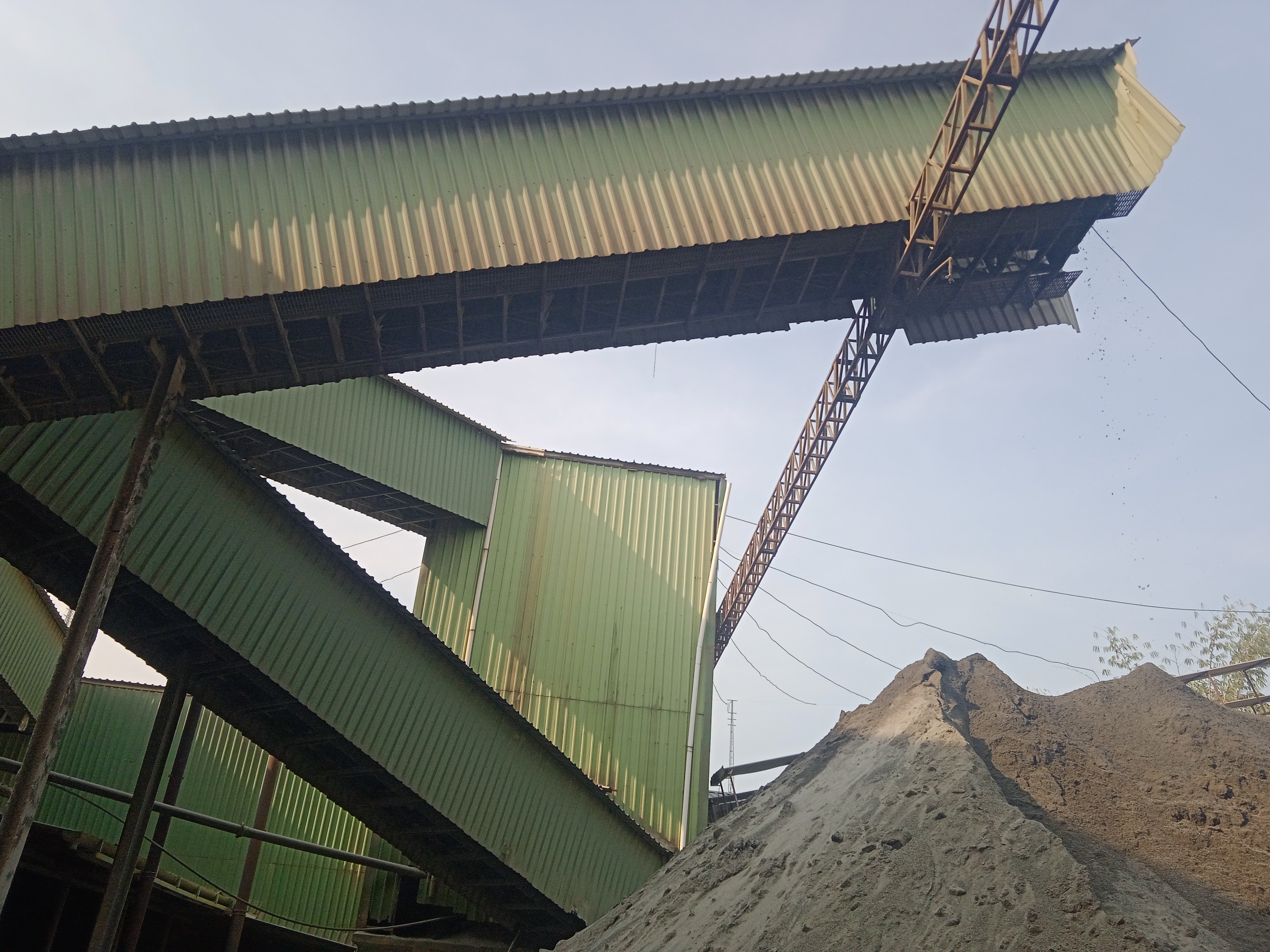
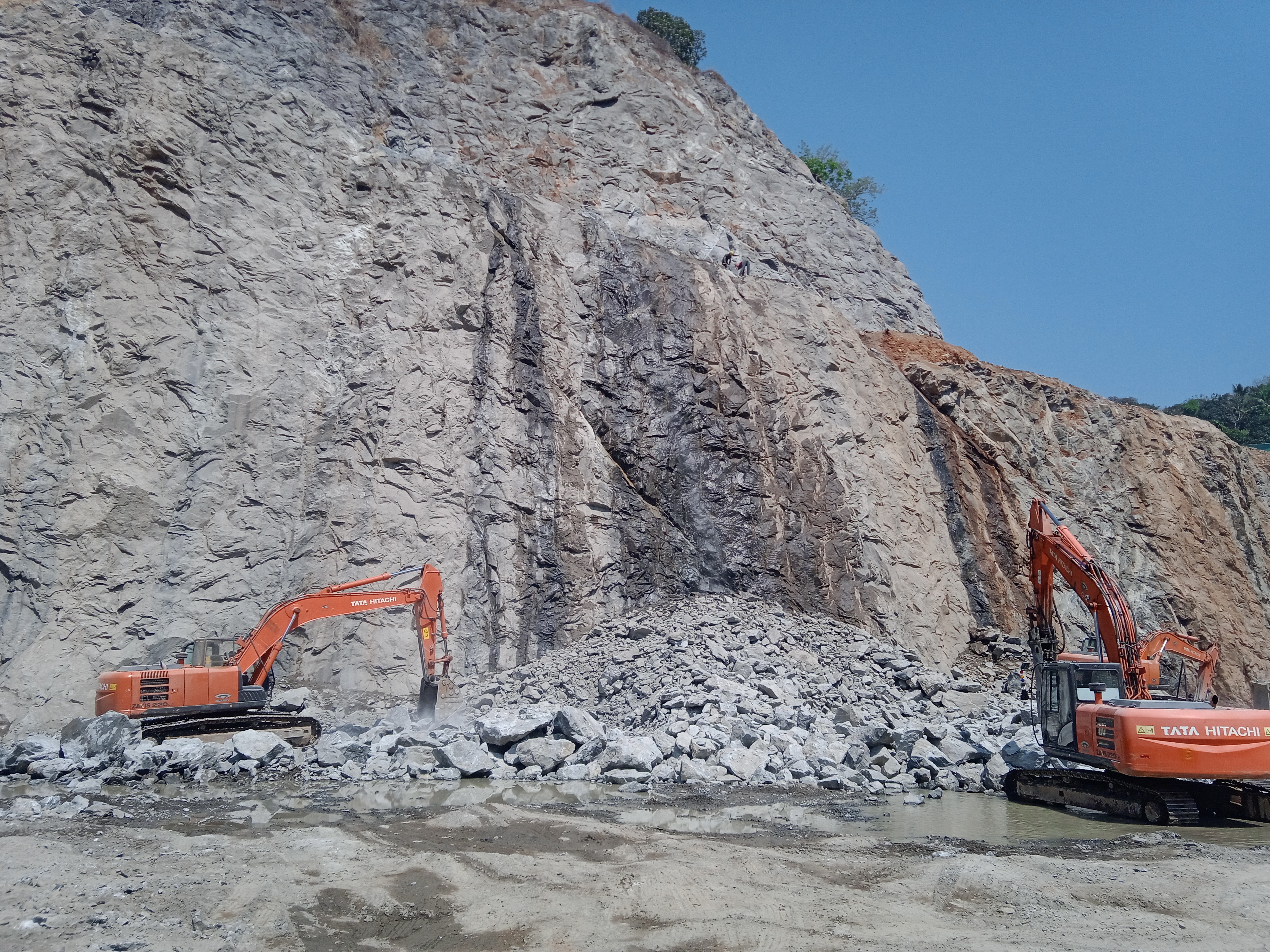
Out now in the International Journal of Urban and Regional Research where I examine how sand extraction from the Western Ghat mountains for elite urban infrastructure projects in south India is re-empowering a historically dominant set of rural upper-caste actors who have now begun to extend their political economic power into cities thus furthering uneven urban development.
Menon, S. (2025). Sand, Plantation Urbanism, and the Extended Political Ecology of Infrastructures in India. International Journal of Urban and Regional Research, 49(6): 1281-1301 https://doi.org/10.1111/1468-2427.13363
Abstract
Recently, large parts of India and the global South have witnessed widespread sand extraction from rural sites for urban infrastructure projects, causing extensive environmental damage. Critical scholarship has theorized these sites as new extractive frontiers that facilitate the needs of green energy transitions and planetary urbanization. In this article, I offer a postcolonial decentering of this narrative by examining the commodity chain of ‘m-sand’ or manufactured sand, which binds urban infrastructures in Kochi city in Kerala, India to sand extraction sites in the rural Western Ghat mountain ecologies of southwest India. I argue that sand extraction sites are better analyzed through the lens of ‘plantation urbanism’, a concept that accounts for the failure of colonial-era Western Ghat plantation economies in the free-market era and their ensuing conversion to sand extraction sites. Plantation urbanism also foregrounds how colonial plantation logics shape the production of urban space in Kochi via sand’s commodity chain.
Acknowledgements
This article has benefited from generative discussions at the Sawyer Seminar on ‘Interrogating the Plantationocene’ at UW-Madison in April 2019, the eighth Annual PhD Workshop at IIHS in Bangalore in January 2022, the AIIS Junior Fellows Annual Conference in New Delhi in December 2022, a seminar at the Center for Development Studies in Kerala in April 2023, the ‘Material as method’ symposium at the 51st Annual Conference on South Asia in Madison in October 2023, and an invited lecture at NYU Shanghai in December 2024. I would like to thank all the participants at these discussions for sharing ideas that have strengthened the article. I am grateful to Jagdish Krishnaswamy, Chandni Singh, Radhika Govindrajan, Sumathi Ramaswamy, J. Devika, Anamika Ajay, Sajai Jose, Curt Gambetta, Ateya Khorakiwala, Dwight Carey, Thomas Oommen, Rachel Sturman, Asha Surma, Yifei Li, M. Yunus Rafiq, Sangeeta Banerji, Travis Klingberg and Kanging Huang for their suggestions for improving the article—particularly to Matt Turner and Stephen Young for their comments on the final draft. Lastly, I would like to thank Lisa Weinstein, Mel Goodsell, Stephen Curtis and two anonymous IJURR reviewers for their academic labor in getting this article published. The fieldwork was funded by an IJURR Foundation Studentship, a US NSF DDRI Award (#2113938), an AIIS Junior Fellowship, and has benefitted from an academic affiliation with the Center for Development Studies in Thiruvananthapuram, India from 2022 to 2023.

 Siddharth Menon