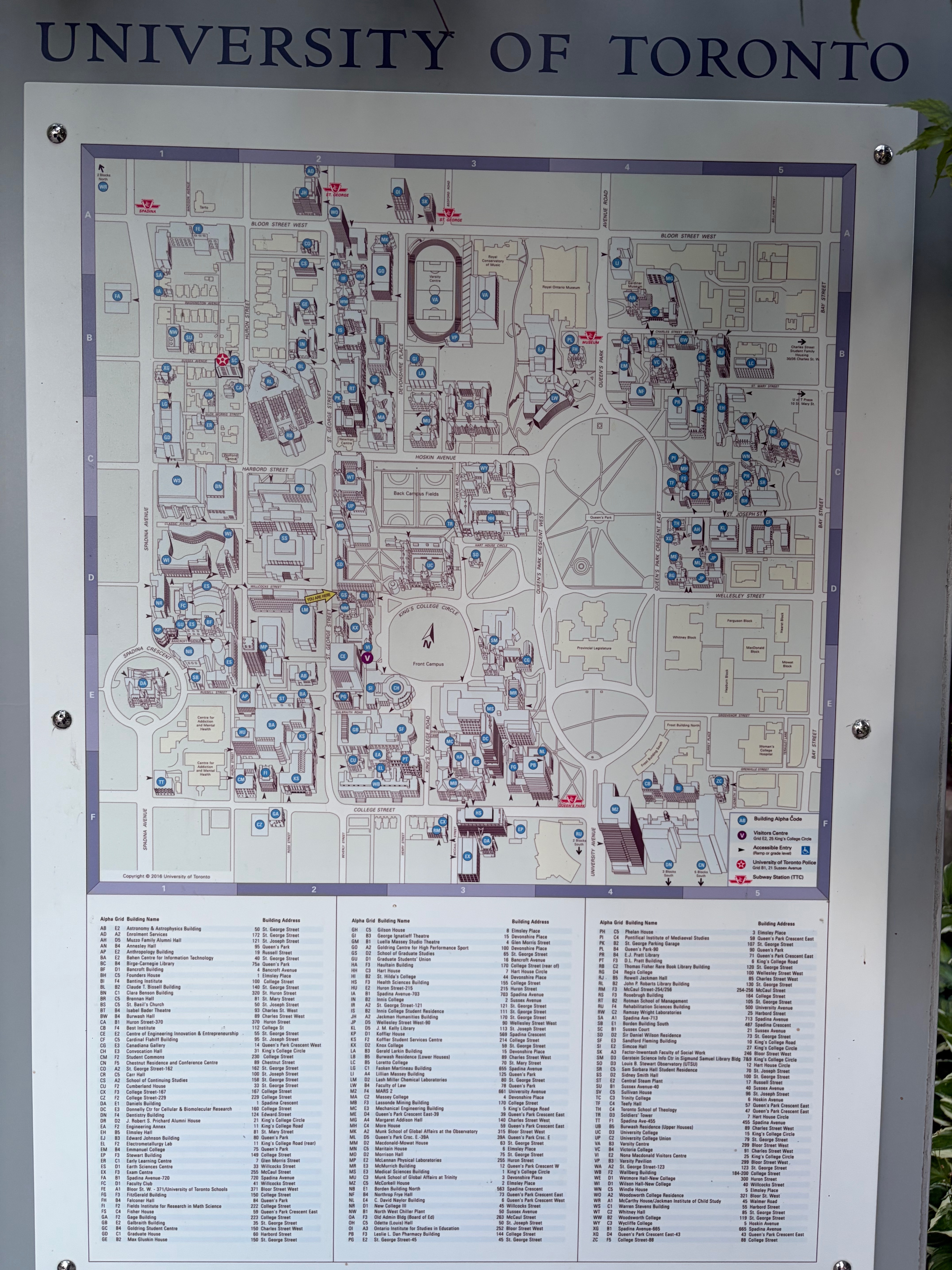
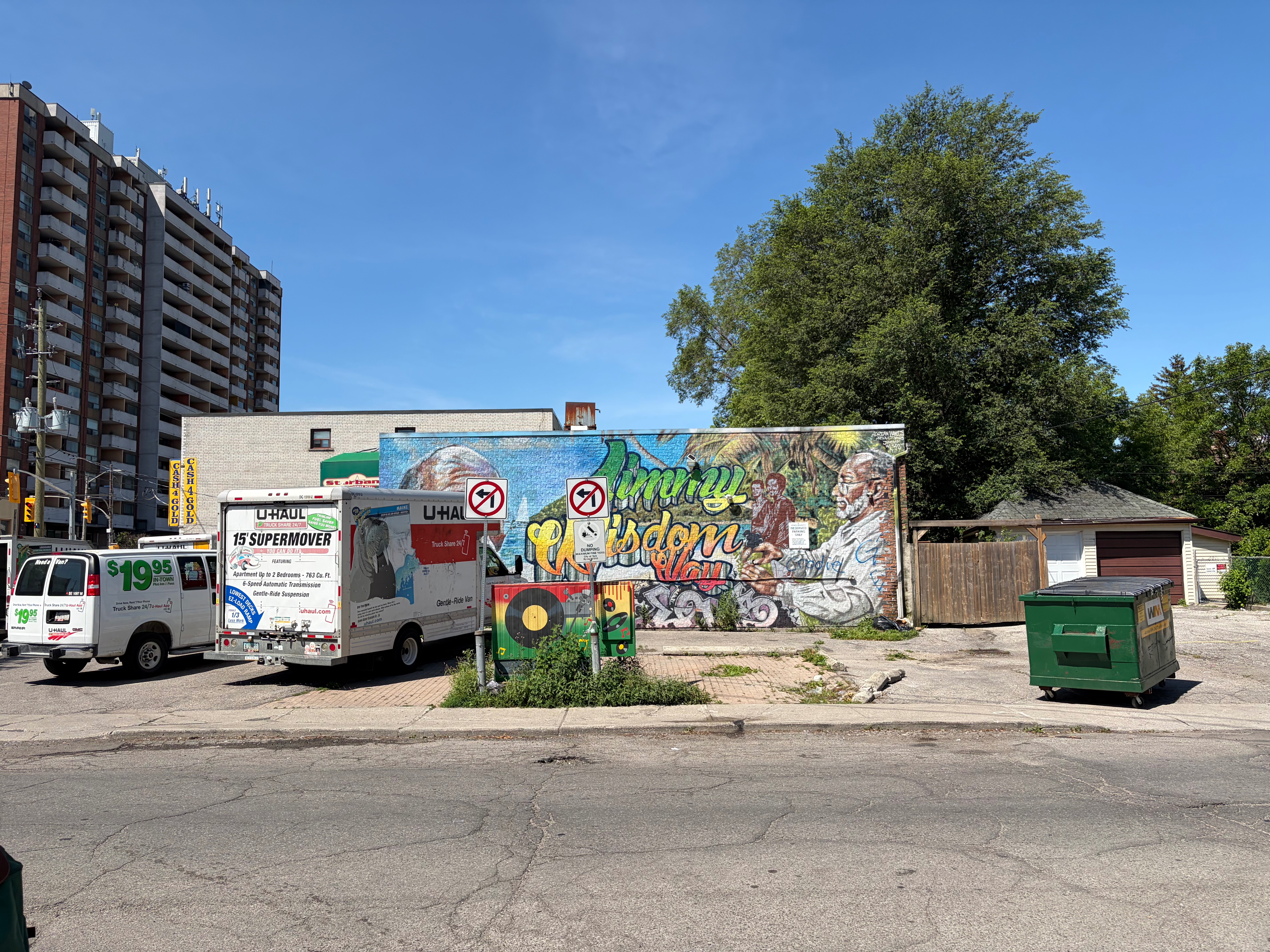
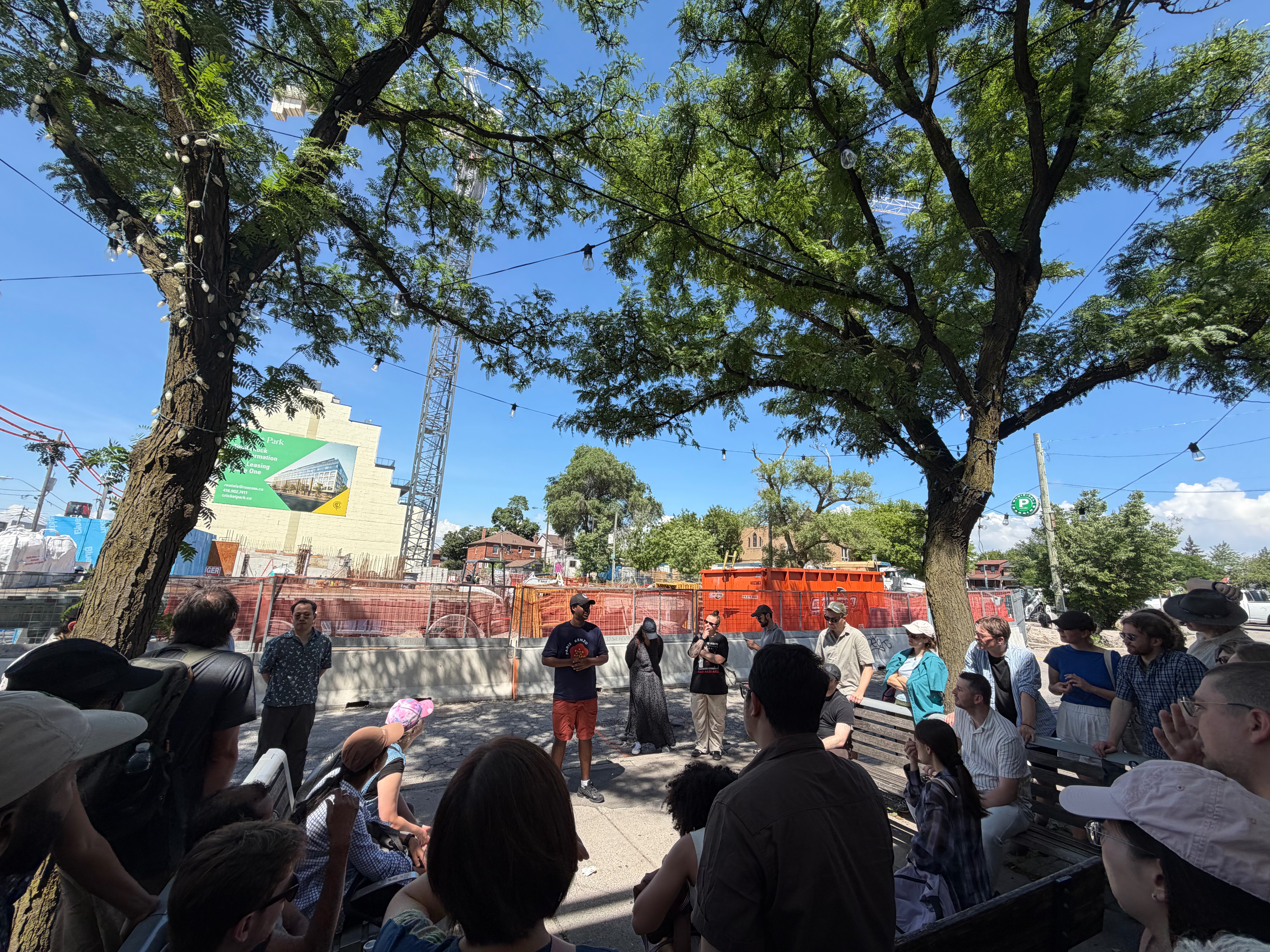
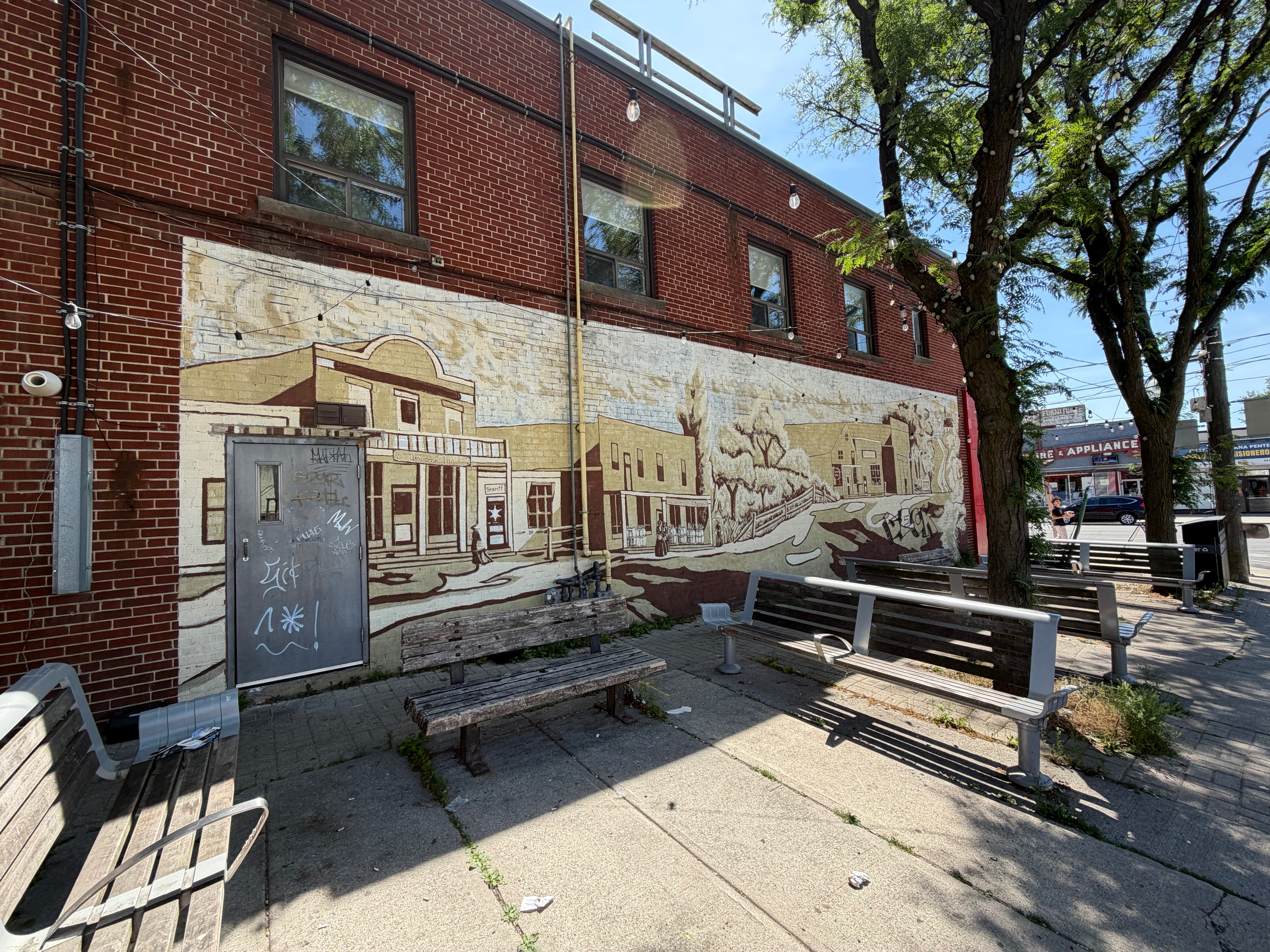
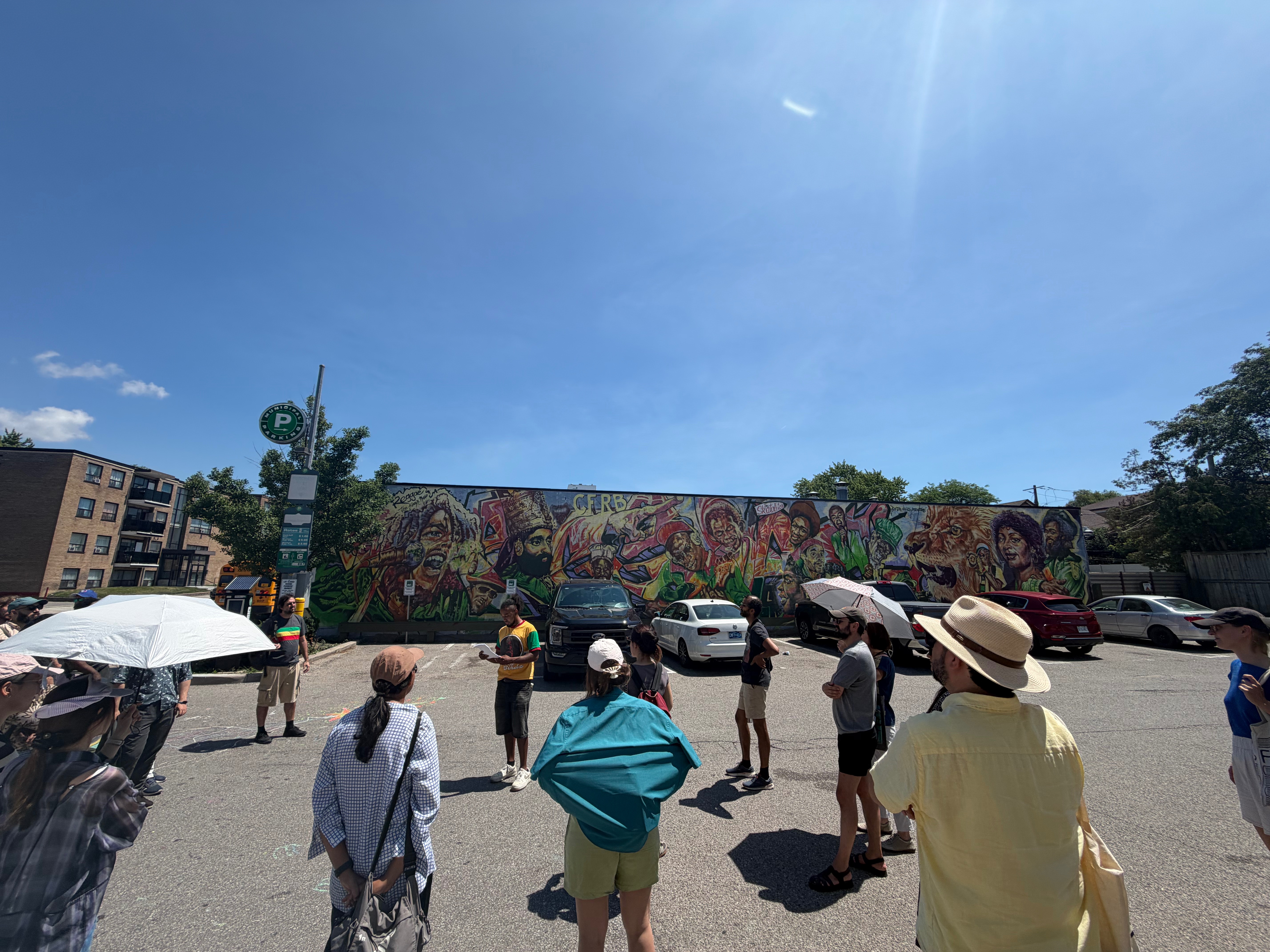
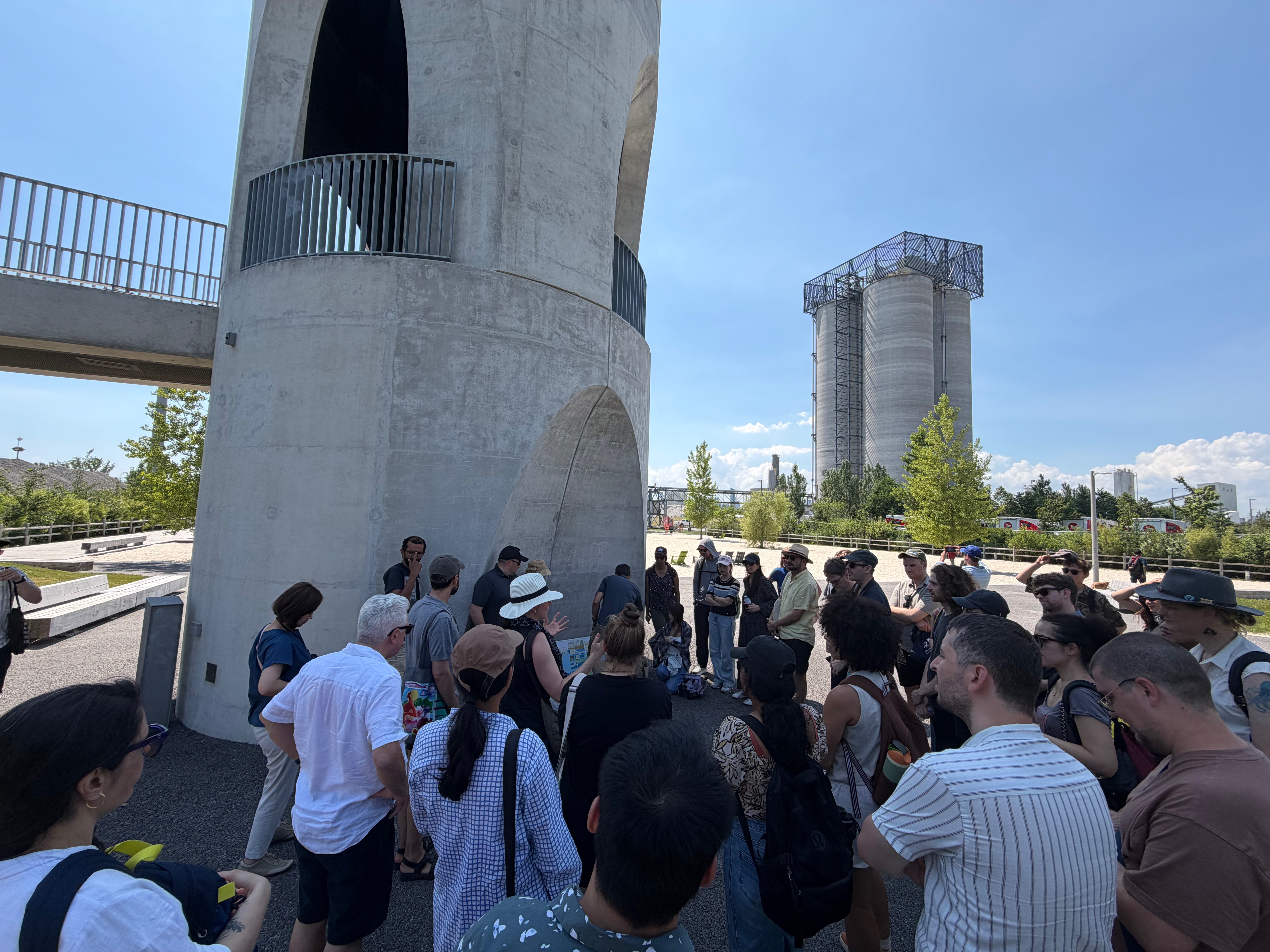
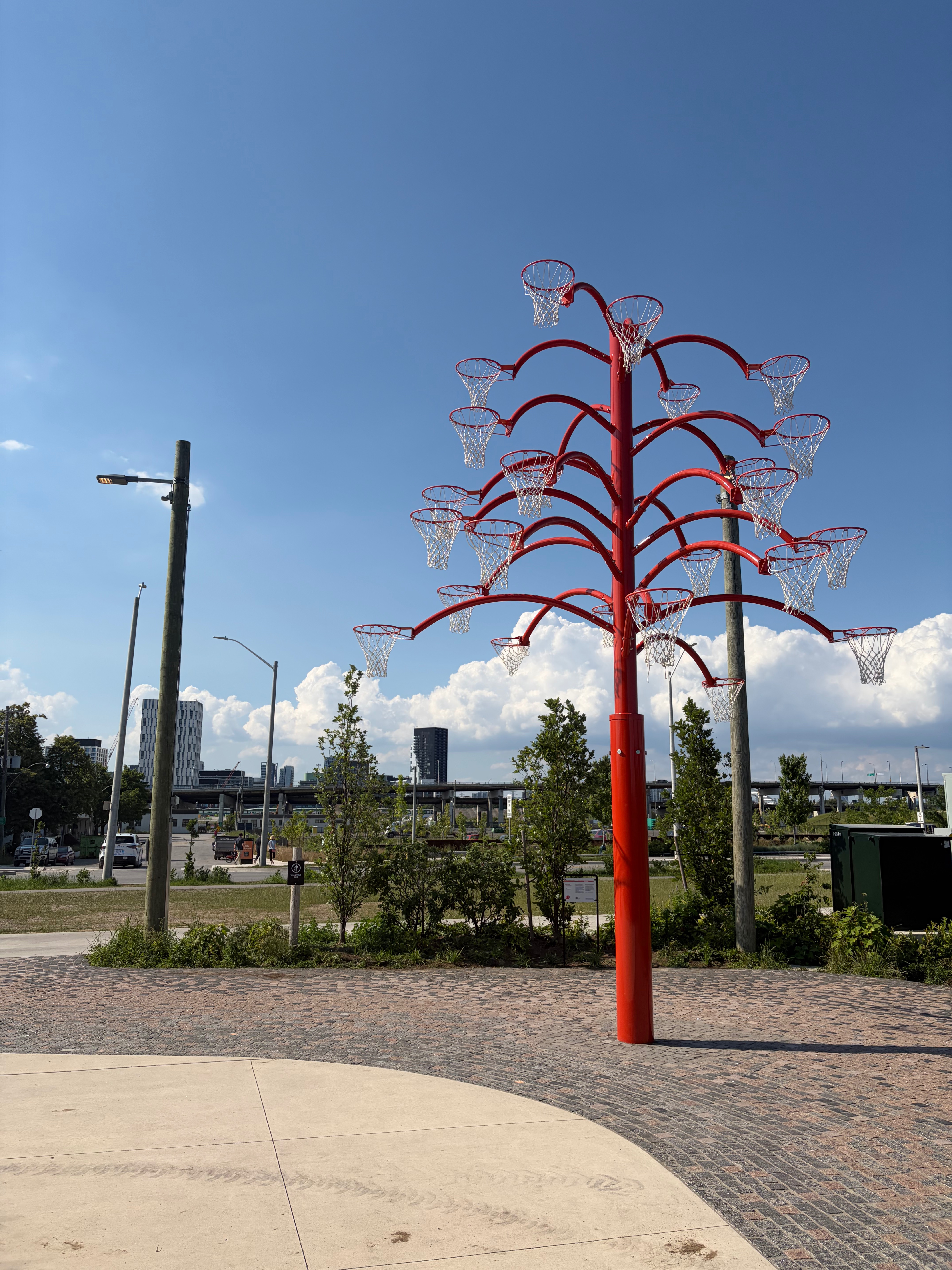
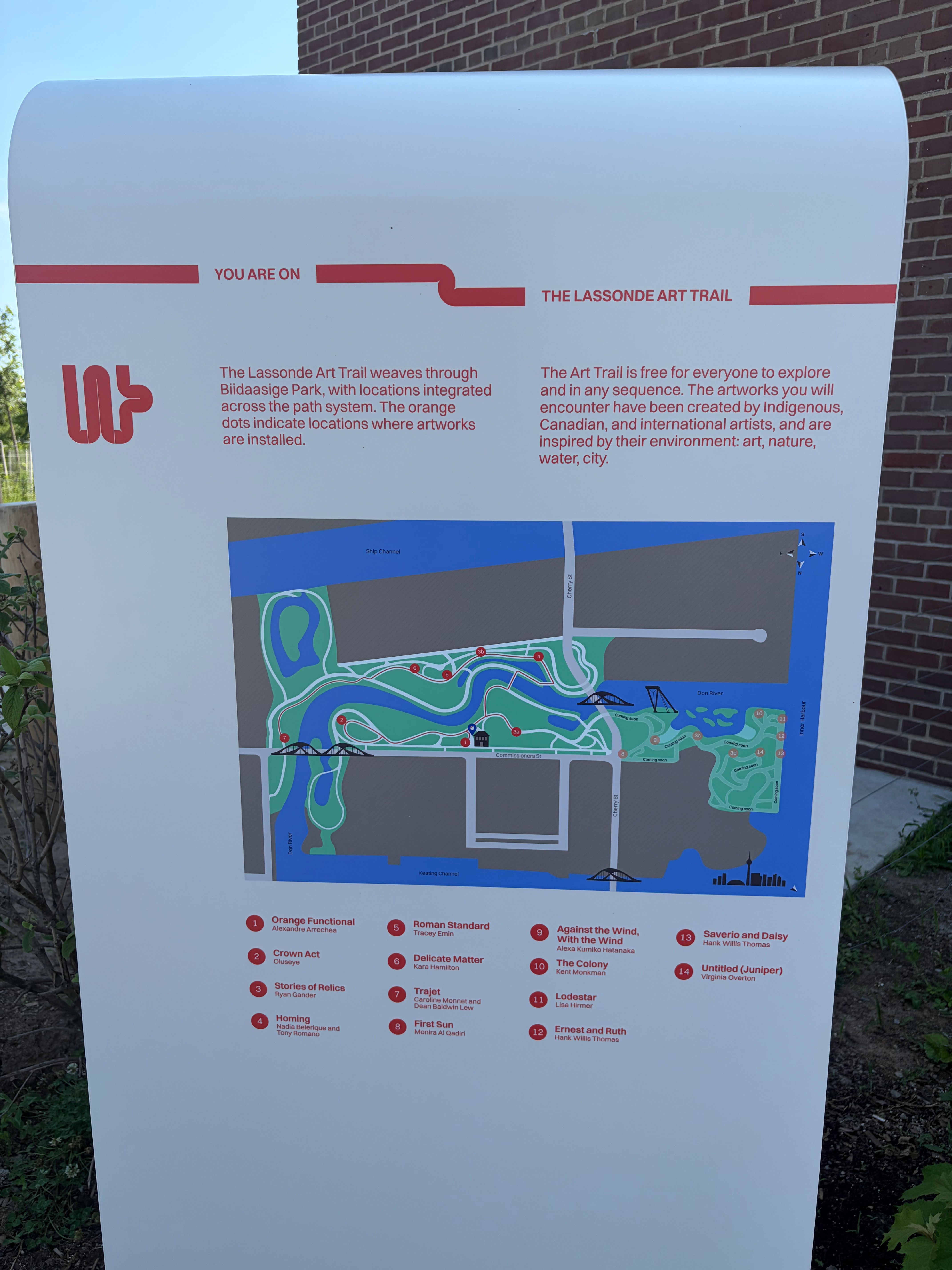
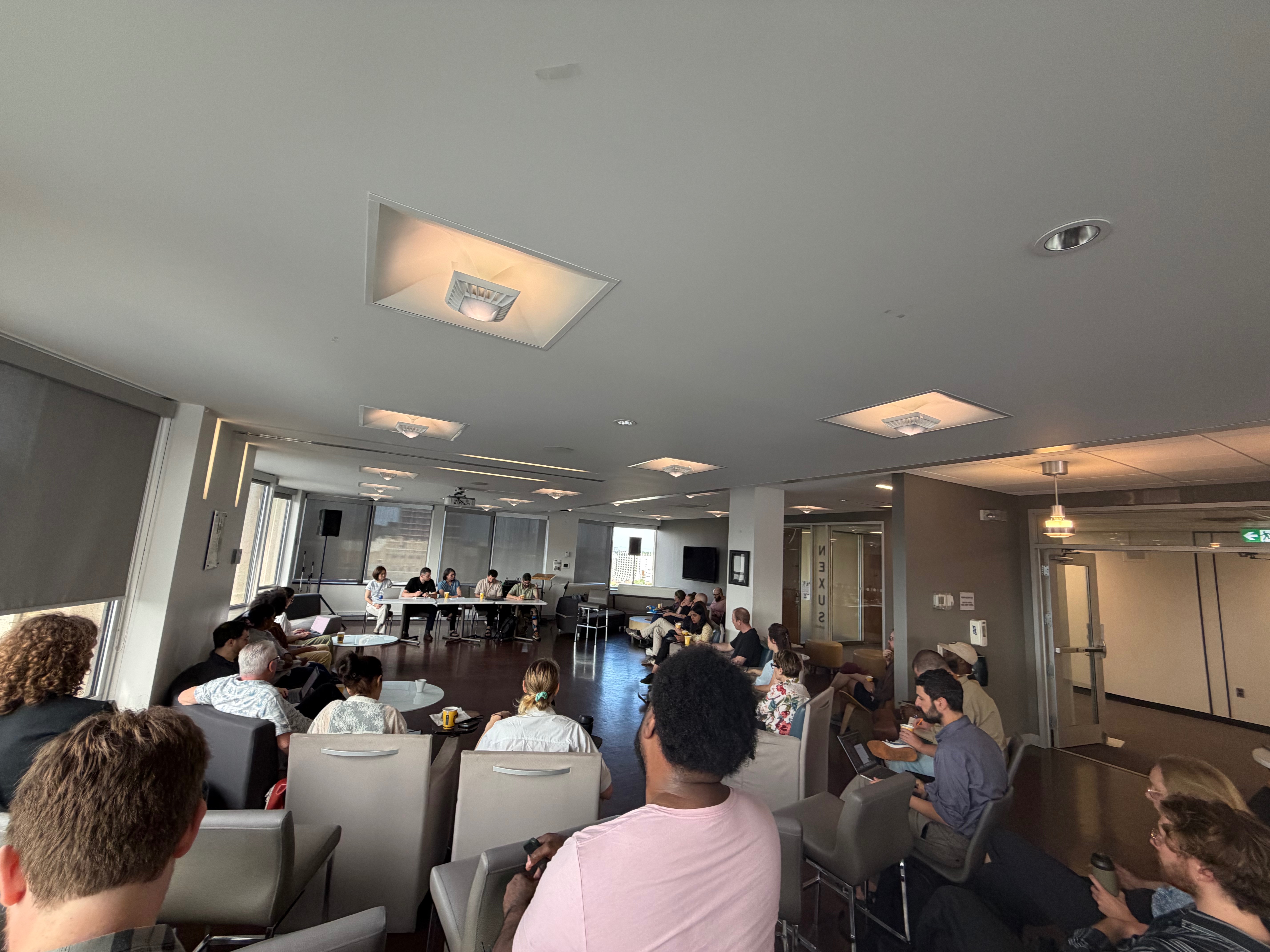
I had the opportunity to participate in the 12th Summer Institute in Economic Geography in Toronto from July 5-10 2026. Many thanks to Sergio Montero, Michelle Buckley, Jamie Peck, Maya Campo, and Benjamin Owens for organizing the same. Below are some readings shared by the Institute’s resource persons and images from the week.
Bassens, D., Pažitka, V., & Hendrikse, R. (2024). Banking in the cloud: Mapping big tech’s global digital technology networks. Regional Studies, 58(12), 2241–2255. https://doi.org/10.1080/00343404.2024.2391483
Binz, C., Coenen, L., Frenken, K., Murphy, J. T., Strambach, S., Trippl, M., & Truffer, B. (2025). Exploring the Economic Geographies of Sustainability Transitions: Commentary and Agenda. Economic Geography, 101(1), 1–27. https://doi.org/10.1080/00130095.2024.2445530
Fairbairn, M. (2014). ‘Like gold with yield’: Evolving intersections between farmland and finance. The Journal of Peasant Studies, 41(5), 777–795. https://doi.org/10.1080/03066150.2013.873977
Lai, K. P. Y., & Langley, P. (2024). Playful finance: Gamification and intermediation in FinTech economies. Geoforum, 151, 103848. https://doi.org/10.1016/j.geoforum.2023.103848
Narayan, D. (2026). Cloud capitalism and the rise of scalable digital assets. The Information Society, 1–13. https://doi.org/10.1080/01972243.2025.2599589
Ouma, S. (2024). Accounting for Capital in the Countryside: Toward a Visual Politics of the Asset Form. The Professional Geographer, 76(6), 805–813. https://doi.org/10.1080/00330124.2023.2223253
Rodríguez-Pose, A., & Bartalucci, F. (2024). The green transition and its potential territorial discontents. Cambridge Journal of Regions, Economy and Society, 17(2), 339–358. https://doi.org/10.1093/cjres/rsad039
Schoenberger, E. (1997). The Cultural Crisis of the Firm. Wiley–Blackwell.
Barnes T J and Christophers B (2018) Economic geography: a critical introduction. Wiley, chapter 2
Berndt C and Boeckler M (2023) Geographies of marketization: studying markets in postneoliberal times. Progress in Human Geography 47(1): 124-140
Binz C and Castaldi C (2024) Toward a normative turn in research on the geography of innovation? Evolving perspectives on innovation, institutions, and human well-being. Progress in Economic Geography 2(2): 100018
Bledsoe A, McCreary T and W Wright (2022) Theorizing diverse economies in the context of racial capitalism. Geoforum 132: 281-290
Christophers B (2016) The great leveler. Harvard University Press, chapters 1 and 2
Chu H, Hassink R and Yilmaz S (2024) Fragmented or engaged pluralism in economic geography? Progress in Human Geography 48(3): 247-274
Dixon AD, Peck J, Alami I and Whiteside H (2023) Making space for the new state capitalism, part III: thinking conjuncturally. EPA: Economy and Space 55(5): 1207-1217
Gibson-Graham JK (2008). Diverse economies: performative practices for “other worlds.” Progress in Human Geography 32(5): 613-632
Goffe R and Luke, N (2024) What does capital consume? Racial capitalism and the social reproduction of surplus people. EPA: Economy and Space 56(4): 1311-1319
Hickel J, Dorninger C, Wieland H, et al. (2022) Imperialist appropriation in the world economy: drain from the global South through unequal exchange, 1990–2015. Global Environmental Change 73: 102467
Kourliouros EA (2026) Methods in economic geography. In Theodoros Iosifides (ed) Elgar Concise Encyclopedia of Research Methods in the Social Sciences. Edward Elgar, 151-160
Lai KP (2025). Financial geography II–green finance and climate transition. Progress in Human Geography49(2): 215-226
Martin R (2021) Putting the case for a pluralistic economic geography. Journal of Economic Geography 21(1): 1-28
Mullings B (2021) Caliban, social reproduction and our future yet to come. Geoforum 118: 150-158
Peck J (2023) Variegated economies. Oxford University Press, chapter 2
Pfotenhauer S, Laurent B, Papageorgiou K and Stilgoe AJ (2022) The politics of scaling. Social Studies of Science 52(1): 3-34
Pollard J, McEwan C, Laurie N and Stenning A (2009) Economic geography under postcolonial scrutiny. Transactions of the Institute of British Geographers 34: 137-142
Potts S (2023) (Re)centring the geopolitical: A response to Henry Yeung’s intervention on “troubling economic geography.” Transactions of the Institute of British Geographers 48(4): 681-685
Rosenman E, Loomis J and Kay K (2020) Diversity, representation, and the limits of engaged pluralism in (economic) geography. Progress in Human Geography 443): 510-533
Schindler S, Alami I, DiCarlo J, Jepson N, Rolf S, Bayırbağ MK, Cyuzuzo L, DeBoom M, Farahani AF, Liu IT, McNicol H, Miao JT, Nock P, Facundo Vila Seoane M, Ward K, Zajontz T and Zhao Y (2024) The second cold war: US-China competition for centrality in infrastructure, digital, production, and finance networks. Geopolitics 29(4): 1083-1120
Scott A J (2000) Economic geography: the great half-century. Cambridge Journal of Economics 24: 483-504
Sheppard E (2024) Exceeding the Anglophone economic geographical imaginary. Progress in Economic Geography 2(1): 100010
Werner M (2012) Contesting power/knowledge in economic geography: learning from Latin America and the Caribbean. In: Barnes TJ, Peck J and Sheppard ES (eds) The Wiley-Blackwell Companion to Economic Geography. Wiley-Blackwell, 132–146
Werner M, Strauss K, Parker B, Orzeck R, Derickson K and Bonds A (2017) Feminist political economy in geography: why now, what is different, and what for? Geoforum 79: 1-4
Zook M, Loomis J and Lim KF (2026). Economic geographies of AI: predicting, prescribing and programming economic futures. Progress in Economic Geography 100071